Activity Report -Kobe University Engineering Summer School 2026
 ad_kyo
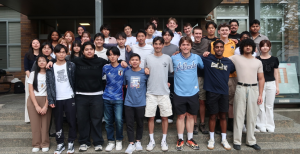
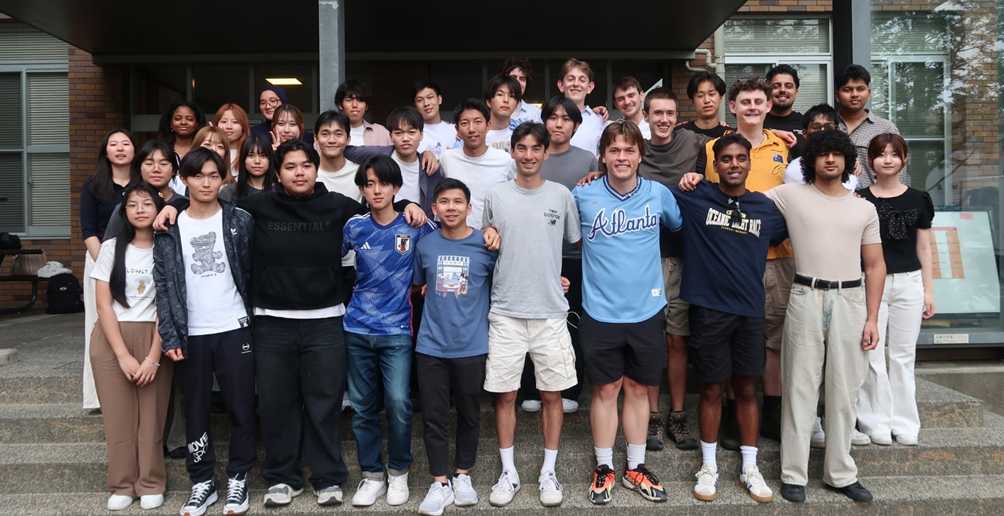
Kobe University held the "Kobe University Engineering Summer School 2026" from June 30 to July 10.
A total of 20 international students—16 from Royal Melbourne Institute of Technology (Australia) and
four from Mahidol University (Thailand)—joined the program to study alongside students from Kobe
University's Faculty of Engineering. Under this year’s theme, "Engineering for an Inclusive and
Sustainable Society: Create Together for a Brighter World," the summer school aimed to bring together
students from diverse cultural and academic backgrounds to collaborate and learn about disaster
mitigation, energy transition, environmental protection, medical technologies and regional issues, thereby
cultivating their ability to apply engineering knowledge to resolve societal challenges.
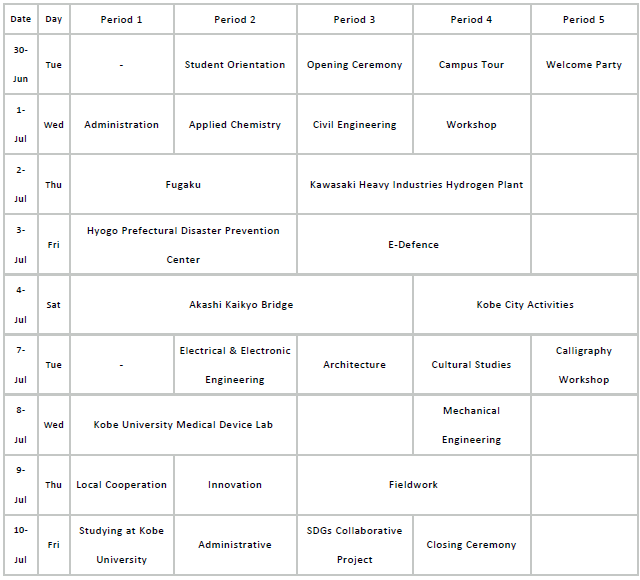
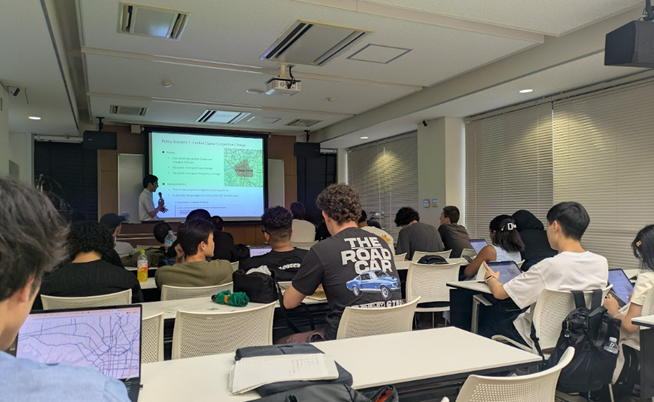
The summer school featured lectures and laboratory visits across multiple disciplines, including applied
chemistry, civil engineering, electrical and electronic engineering, architecture and mechanical
engineering. Participating students were exposed to a broad spectrum of engineering fields, ranging from
membrane engineering and polymer chemistry to traffic simulation, AI, smart glasses, architecture and
placemaking, and MEMS.
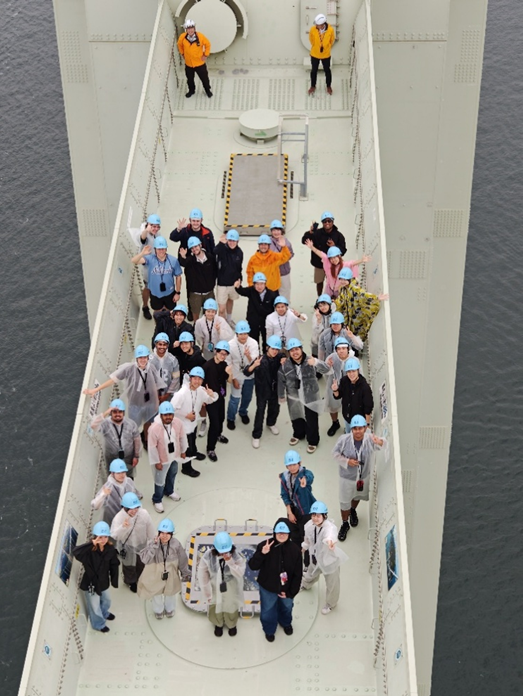
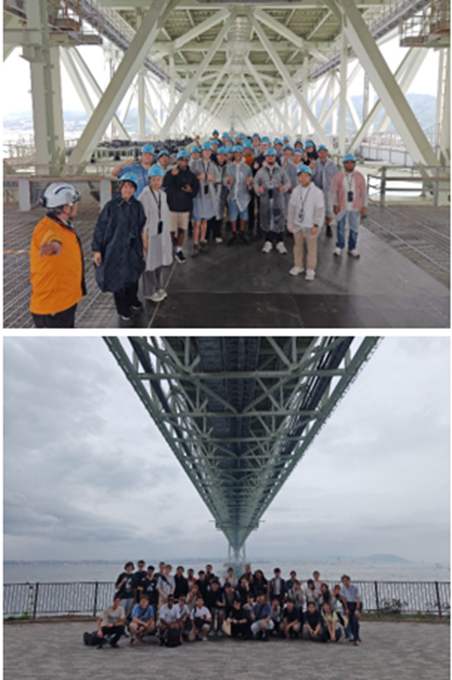
During the field excursion organized as part of the global training, students toured the Akashi
Kaikyo Bridge, gaining insight into the civil engineering expertise and maintenance protocols that
support one of the world's largest suspension bridges. After the tour, student-led activities
designed by Kobe University participants were conducted in Kobe City. Divided into small
groups, the students fostered deeper connections through engaging with the local culture and
history of Kobe.
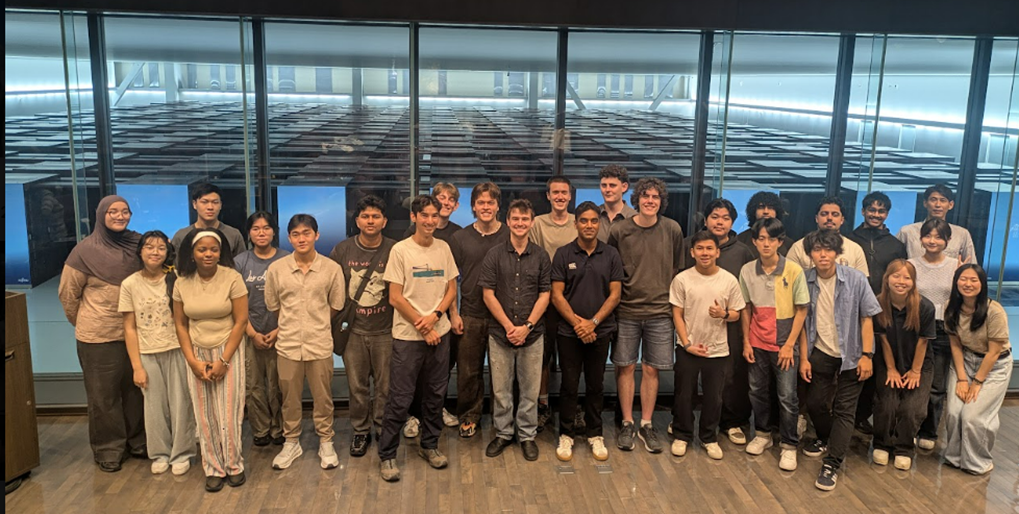
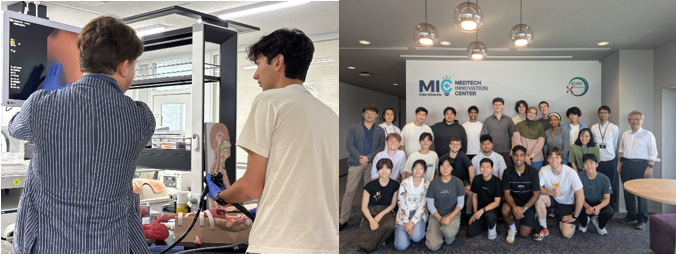
At Kobe University's Center for Advanced Medical Engineering Research & Development (CAMED),
participants gained insight into medical device R&D and interdisciplinary collaboration between
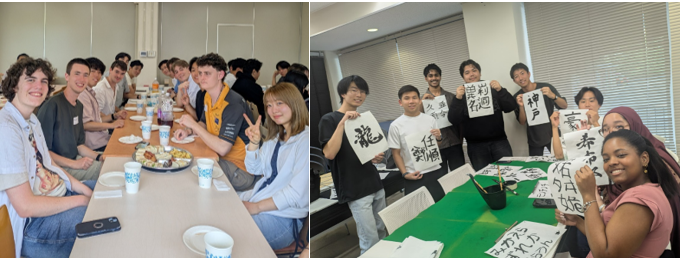
engineering and medicine. Furthermore, through cultural sessions such as Japanese calligraphy, students
engaged with Japanese tradition while exchanging values and perspectives across distinct cultural
backgrounds.
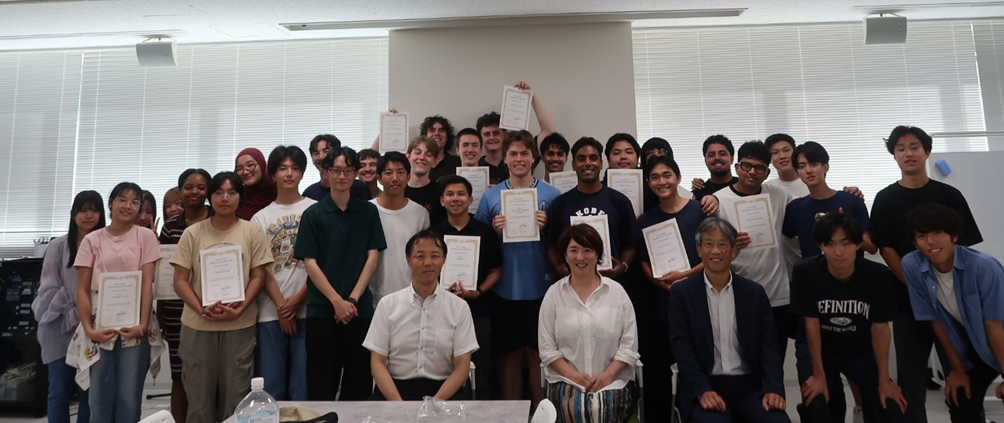
On the final day, participating students engaged in a collaborative project. Drawing upon the
knowledge and insights gained during the Summer School, they deliberated on challenges surrounding the
realization of a sustainable and inclusive society and formulated potential solutions. Collaborating with
peers from diverse academic disciplines and cultural backgrounds provided participants with a valuable
opportunity to enhance their dialogue skills, problem-solving capabilities and capacity for global cocreation.
To facilitate student interaction within the limited timeframe, a "communication sheet" was newly
introduced this year. Prior to the program's commencement, participants shared their self-introductions
and academic interests, providing an opportunity to familiarize themselves with one another. This
initiative helped ease initial introductions and fostered seamless communication across lectures, site visits
and group activities.
The summer school serves as a program aimed at cultivating next-generation global engineers capable
of understanding the intersection of engineering expertise and societal challenges while conceptualizing a
sustainable future in collaboration with diverse stakeholders. Through on-campus lectures, visits to
corporate and research facilities, regional fieldwork and cultural exchange activities, participants
developed a multifaceted perspective on the vital role engineering plays in addressing social needs.
Note: "Kobe University Engineering Summer School 2026" was implemented as part of the project titled
"International Co-learning and Collaborative Learning Program for Fostering Engineering Global Human Resources
to Solve Global Issues." This initiative was selected under the FY2022 Inter-University Exchange Project ̶ Support
for Creating Inter-University Exchanges with the Indo-Pacific Region and Other Regions ̶ funded by the Ministry
of Education, Culture, Sports, Science and Technology (MEXT).
<Details of Program>